Is the Turing Test Contentious?
In 1950, Alan Turing proposed a simple solution to the complex question, “Can machines think?” He suggested that if a human interrogator could not distinguish between a computer and a human through text-based conversation, the machine should be considered “intelligent.”
While this “Imitation Game” became the foundational benchmark for the field, it has since become one of the most contentious topics in philosophy and computer science. If a machine can lie to you convincingly enough, is it a genius or just a really good actor?
I have dealt with the real-world implications of perception in another post. Here are just a few technical arguments why simulated intelligence and real intelligence are objectively not the same things.
The most common critique is that the Turing Test measures output, not essence. Critics argue that passing the test is merely a display of sophisticated behavior, not a proof of internal thought.
Secondly, Turing’s test is built on the assertion that the human brain is essentially a biological machine that can be explained in purely mechanical terms. Many academics and neuroscientists refute this claim. They argue that consciousness and intelligence might be inextricably linked to our specific human brain.
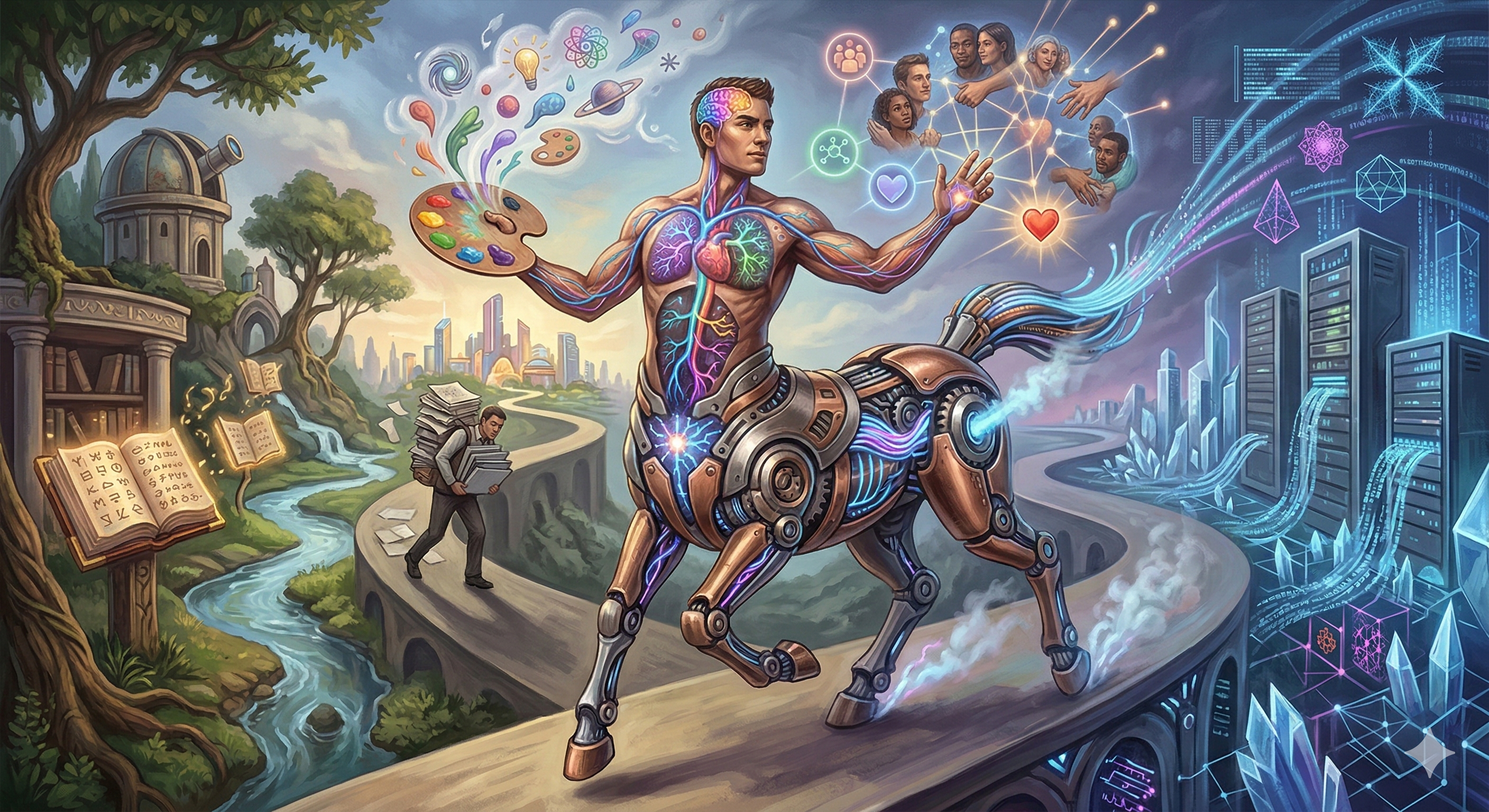
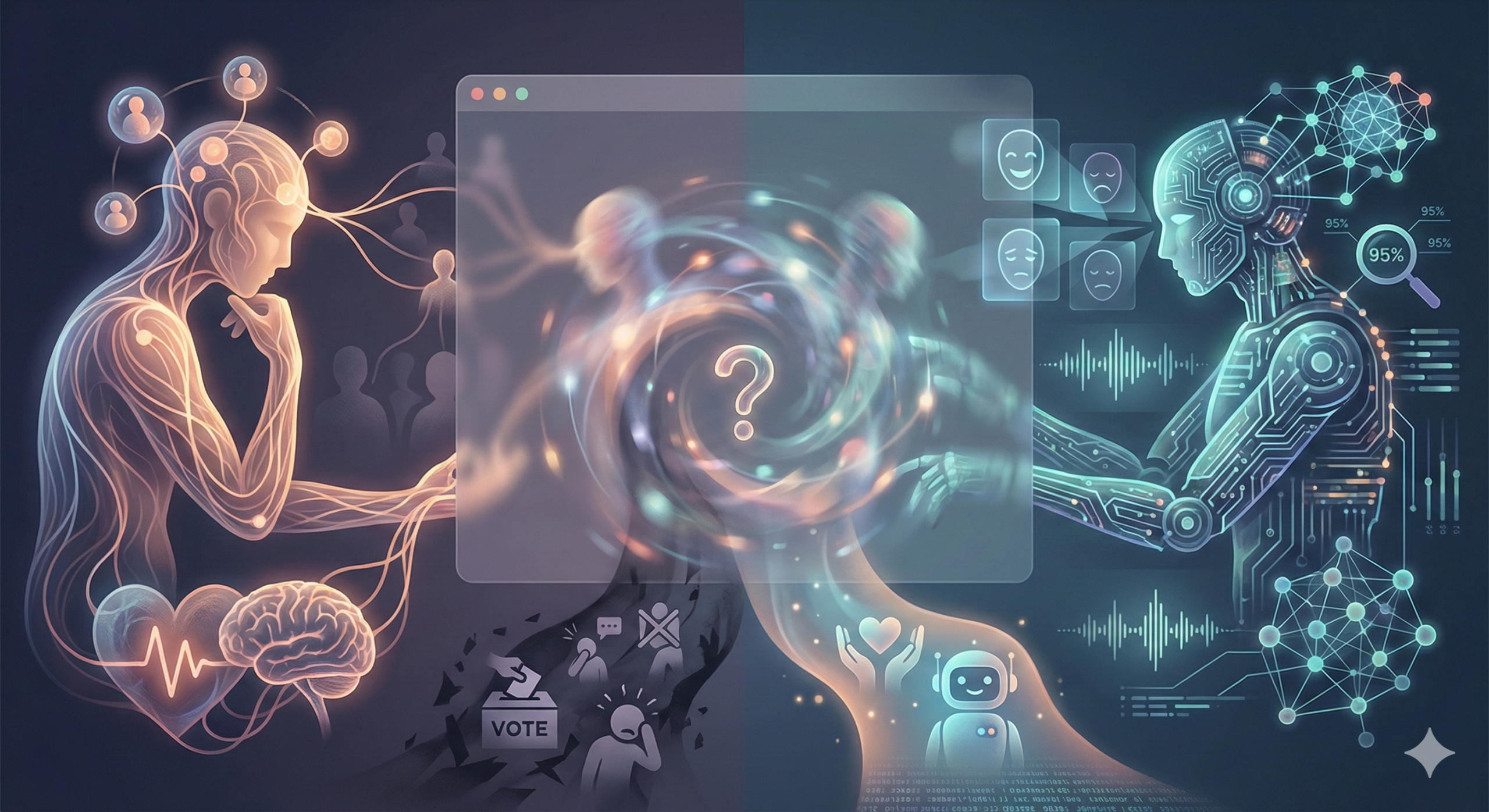
Furthermore, even if a computer and a human arrive at the same answer, the process matters. As computers are not humans, their internal logic is often entirely different from human cognition. Humans use intuition, emotional context, and lived experience while AI systems use statistical probabilities, calculus, massive datasets, and gradient descent. Because the internal operations are not comparable, many researchers argue that a direct comparison is inadequate.
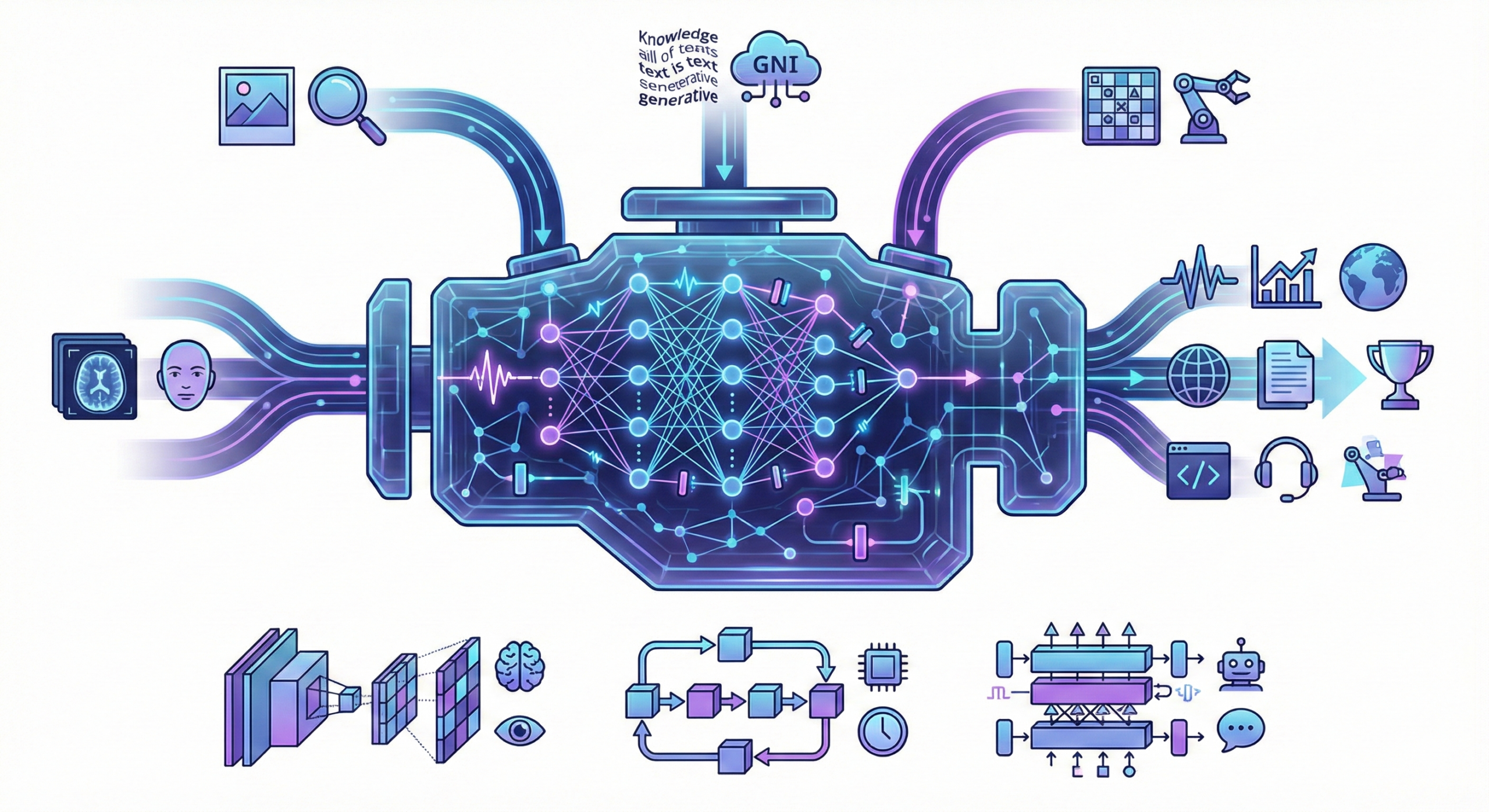
Finally, there is the issue of narrow vs. broad intelligence. The Turing Test focuses exclusively on linguistic behavior. Intelligence, however, is a multifaceted spectrum. It includes spatial awareness, social empathy, physical coordination, and the ability to solve problems across diverse domains. Critics argue that testing only one behavior, the ability to chat, is far too narrow a scope to determine if a system possesses true intelligence.

While the Turing Test remains a fascinating cultural milestone, it is increasingly viewed as a measure of human gullibility rather than machine sapience. As we move toward modern AI frameworks, the focus is shifting away from “acting humanly” and toward “acting rationally”, proving that while the Imitation Game is a great story, the real future of AI lies in the internal mechanics of thought.
References:
- Zena Assaad, Senior Lecturer (2026), “Chatgpt just passed the Turing test. but that doesn’t mean AI is now as smart as humans“, The Conversation. Available at: https://theconversation.com/chatgpt-just-passed-the-turing-test-but-that-doesnt-mean-ai-is-now-as-smart-as-humans-253946 (Accessed: 04 February 2026).
- Google Gemini 3 for text refinements